21 Oct 2026
Charting Regulatory Influences on Collective Identity Formation Across Eras
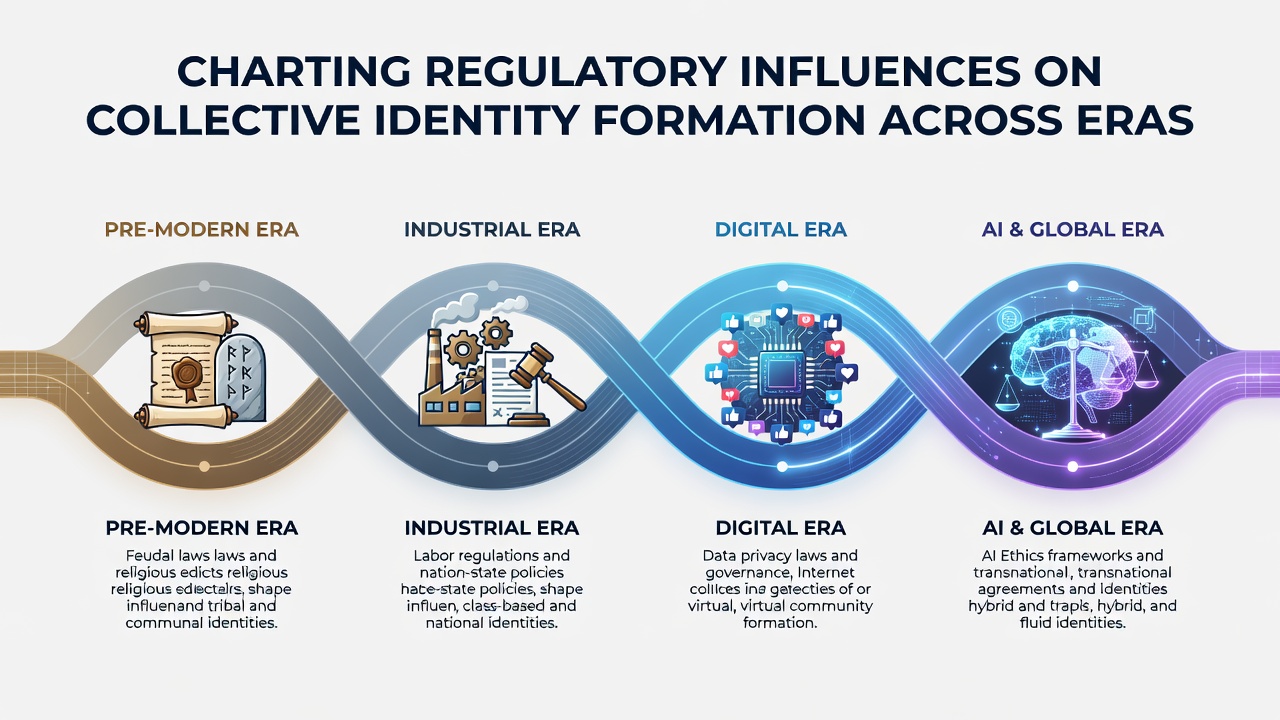
Regulatory frameworks have directed the formation of collective identities throughout recorded history, with laws and policies establishing boundaries around group membership, rights, and cultural expression across multiple eras. Ancient codes such as those from Mesopotamia and Rome defined citizenship criteria that grouped individuals into distinct social categories based on legal status, while later empires used taxation and land rules to reinforce ethnic and occupational identities within their territories.
Early Legal Structures and Group Cohesion
Legal systems in classical periods often merged administrative control with identity markers, and researchers have documented how edicts on marriage, inheritance, and religious practice consolidated loyalties among populations. Data from archaeological records combined with surviving statutes reveal patterns where rulers granted privileges to certain collectives while restricting others, creating durable distinctions that persisted beyond individual lifetimes. These mechanisms operated through explicit rules that assigned roles and obligations, and observers note that such regulations frequently aligned economic functions with social groupings in ways that sustained long-term cohesion.
Industrial Age Shifts in Collective Definitions
During the 18th and 19th centuries, emerging nation-state regulations on labor, migration, and public health began redefining worker and urban identities on a larger scale. Census laws and factory acts collected demographic information that categorized populations into classes and nationalities, and these classifications influenced how communities organized around shared occupational or regional ties. Studies of European and North American archives show that registration requirements and welfare provisions encouraged the development of trade unions and civic associations, while immigration statutes simultaneously delineated insider and outsider statuses that affected family networks and cultural continuity.
Digital Regulations and Contemporary Group Dynamics
Twentieth-century and early twenty-first-century policies on communication, data, and intellectual property have further altered identity formation in networked environments. Licensing regimes and content moderation rules established by various governments created parameters within which online communities define themselves, and evidence from regulatory filings indicates that privacy statutes and platform accountability measures have guided the emergence of specialized interest groups. In October 2026, updates to international digital governance frameworks are scheduled to expand cross-border data standards, and analysts expect these changes to affect how virtual collectives maintain boundaries around membership and shared narratives.
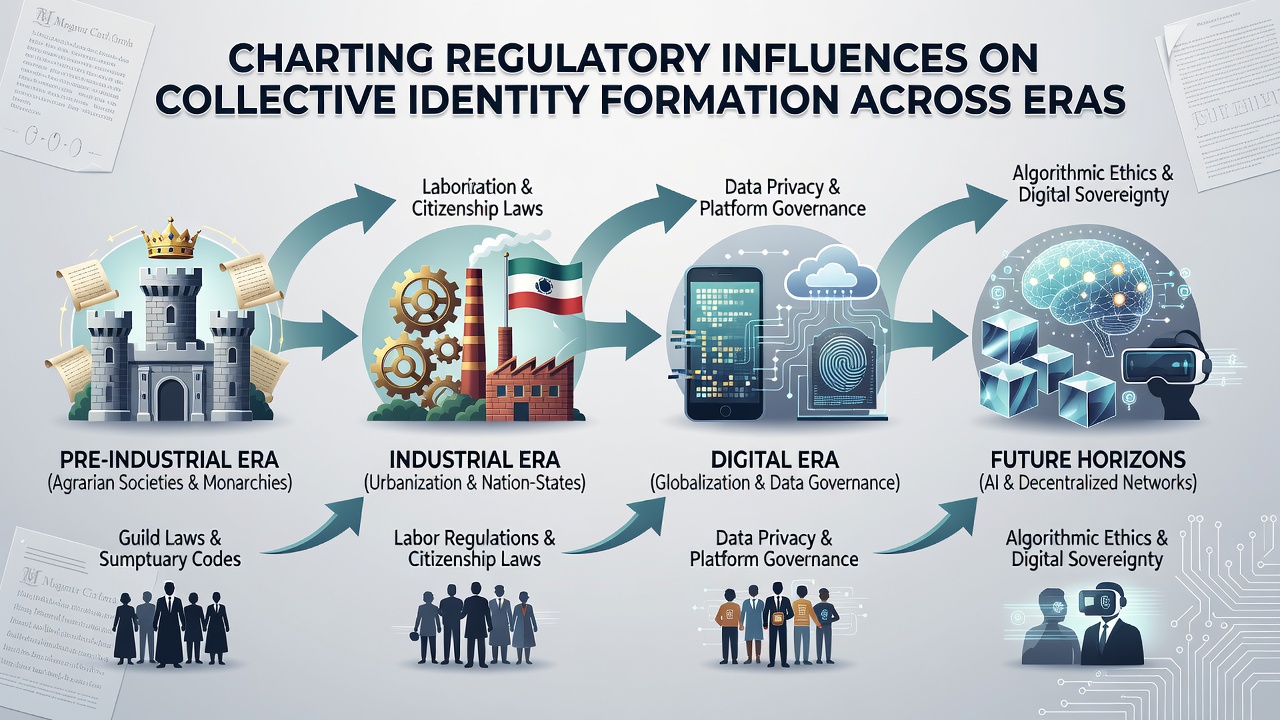
Canadian federal guidelines on digital services and Australian research council reports on cultural heritage protections provide examples of region-specific approaches that link regulatory compliance to group representation. Meanwhile, academic analyses from institutions in multiple countries highlight correlations between enforcement patterns and the stability of online affiliations, showing that consistent rule application tends to support sustained participation within defined networks.
Cross-Era Patterns in Regulatory Effects
Comparative examinations across eras demonstrate recurring pathways through which rules influence identity boundaries, although the scale and speed of transmission have increased with technological advances. Trade agreements and professional certification standards have historically channeled economic activities into recognized collectives, and similar dynamics appear in contemporary licensing for technology sectors. Data compiled by international bodies indicate that regulatory harmonization efforts often coincide with shifts in how populations articulate common interests and affiliations, yet local variations persist where national statutes diverge from global norms.
Conclusion
Across historical periods, regulatory instruments have supplied the structural conditions that enable or constrain collective identity formation, and records from diverse regions confirm these influences operate through consistent channels of classification, restriction, and recognition. Continued monitoring of policy developments, including those projected for late 2026, will supply additional data for understanding these processes in evolving contexts.