1 Aug 2026
Oramesh represents a specialized mesh material designed for durability and functionality across numerous applications. This briefing outlines its fundamental aspects, helping readers understand its value in practical settings. The material combines strength with adaptability, making it a preferred choice in settings where traditional fabrics may fall short.

Defining Characteristics of Oramesh
At its core, Oramesh features an interconnected network of fibers that create a stable yet flexible sheet. These fibers are typically synthetic or natural blends selected for their resilience. The mesh pattern ensures that air and light can pass through while providing a barrier against larger particles or forces. Manufacturing processes involve precise weaving techniques that control the size of openings and overall thickness. This precision allows for variations tailored to end-user needs without altering the basic properties significantly.
Another key trait is its resistance to degradation from chemicals and weather elements. Tests show that Oramesh retains integrity even after prolonged exposure to sunlight or water. Such qualities contribute to its reputation for reliability in demanding conditions.
Primary Benefits and Considerations
Users often highlight the material's low maintenance requirements as a major advantage. Unlike solid surfaces, Oramesh does not accumulate debris easily and can be cleaned with simple methods. Its lightweight profile reduces transportation costs and simplifies installation in large-scale projects. Furthermore, the material supports sustainability efforts when sourced from recycled components, though this depends on the specific production method employed.
Potential drawbacks include limited load-bearing capacity in some configurations, requiring careful selection based on the intended use. Proper assessment of environmental factors helps maximize its effectiveness over time.
Widespread Uses Across Industries
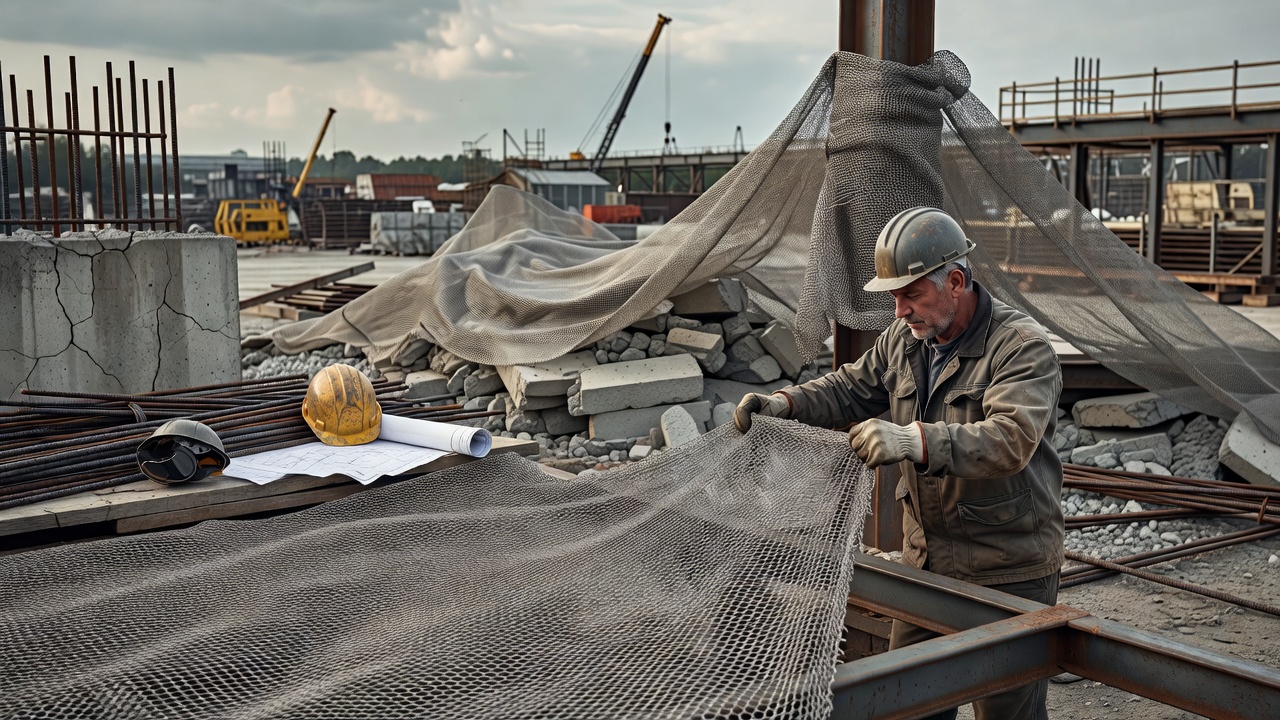
Construction professionals employ Oramesh for soil stabilization and erosion control on sites. In agriculture, it forms protective covers for plants and livestock enclosures that allow ventilation. The sports and recreation field utilizes it in equipment like nets and barriers where visibility and strength are essential.
Consumer products incorporate Oramesh in items such as bags, filters, and seating materials. Its presence in automotive and aerospace sectors stems from the need for lightweight yet robust components that enhance efficiency. As innovations continue, new applications emerge regularly in fields like environmental protection and packaging solutions.
Selecting the appropriate grade of Oramesh involves evaluating factors like mesh size, material composition, and tensile strength. Consulting technical specifications ensures optimal results in any project.